Drain lining vs traditional excavation depends on whether the damaged pipe can be repaired from within or whether the ground needs to be excavated so the failed section can be replaced.
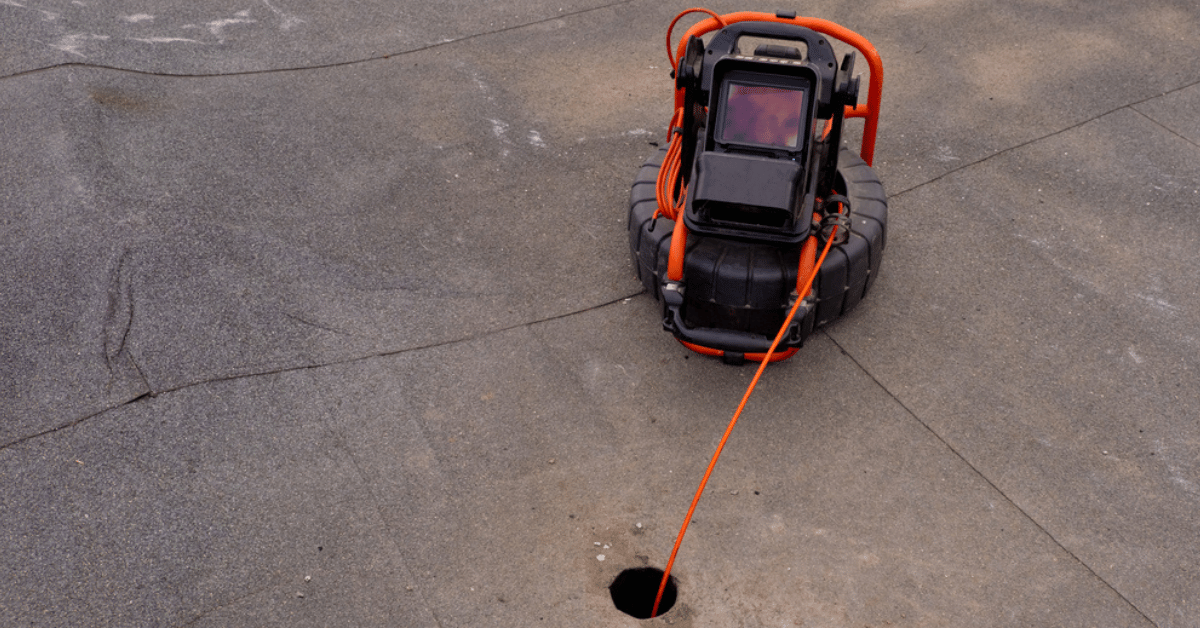
If a CCTV survey has shown cracks, open joints, root damage, movement or collapse, the next question is usually which repair method makes sense. Drain lining can reduce digging where the pipe is still suitable. Traditional excavation may be needed when the drain has collapsed, lost shape or failed too badly for an internal repair.
Choosing Between Drain Lining vs Traditional Excavation
- Drain lining is a no dig repair option for suitable damaged drains.
- Excavation is used when a drain needs to be exposed, removed or replaced.
- Lining can reduce disruption to gardens, driveways, patios and floors where the pipe condition allows it.
- Excavation may be needed for collapsed, badly deformed or severely damaged pipework.
- The right repair method should be based on the pipe condition, not guesswork.
The best next step is to check whether drain lining or drain excavation and replacement is suitable for the damage found.
Why a customer may compare drain lining and excavation
Most customers compare drain lining and excavation because they want the drain repaired without unnecessary disruption. The problem may have started with repeat blockages, slow drainage, bad smells or survey findings that show pipe damage. The customer is not usually just trying to choose the cheapest route. They want to know whether the drain can be repaired properly without digging up a driveway, patio, garden, floor or other finished surface. That is why the real question is not simply drain lining vs excavation. It is whether the pipe is still suitable for internal repair or whether replacement is the safer option.
What we usually need to find first
Before choosing a repair method, the pipe condition needs to be understood. A drain can look like a simple blockage from the surface while the camera shows cracks, root ingress, displacement or collapse inside the pipe. Drain lining may be suitable if the pipe still has enough structure to support a liner. If the drain has collapsed, lost shape or moved badly, excavation may be needed instead. The decision should be based on the defect type, access, pipe shape, repair length and whether an internal repair would be reliable.
What affects the choice between drain lining and excavation
The right repair method depends on the damage, the pipe position and how much disruption each option would cause. The main factors include the pipe condition, pipe depth, access, surface type, defect length, root damage, pipe movement and whether reinstatement will be needed after the work. In simple terms, lining is usually considered when the existing pipe can be repaired from within. Excavation is usually considered when the damaged section needs to be reached, removed or replaced.
What service is usually completed
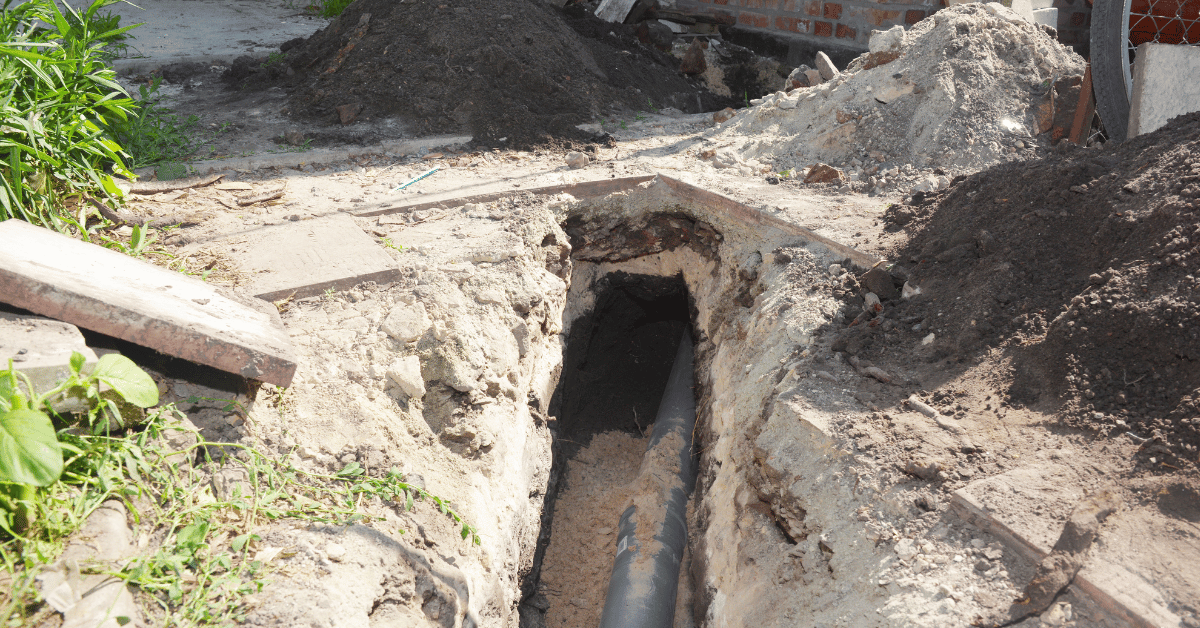
Where the pipe is suitable, the service may involve drain lining. A liner is installed inside the existing pipe to create a new internal surface and repair the damaged section without open digging. Where the pipe has collapsed or failed too badly, the service may involve excavation and replacement. This means digging down to the damaged section, removing the failed pipework, fitting replacement pipe and reinstating the ground afterwards. The UK Society for Trenchless Technology explains trenchless technology as a way of installing and repairing underground utilities with less disruption than open trench work. For customers, the key benefit of drain lining is reduced digging where the pipe condition allows it. Where lining is not suitable, drain excavation and replacement may be the better route.
Issues that may need to be overcome
Drain lining and excavation both need the right conditions. Lining needs a pipe that can accept an internal repair. Excavation needs safe access to reach the failed section and enough space to carry out the work properly. Common issues include poor access, heavy root ingress, deep pipework, displaced joints, old damaged pipework, hard surfaces above the drain and sections that are too badly damaged to line. A cracked drain and a collapsed drain are not the same problem. The repair recommendation should reflect what is actually happening inside the pipe.
Is drain lining better than excavation
Drain lining can be better than excavation when the pipe is suitable because it may avoid digging, reduce mess and limit reinstatement work. It can be a strong option for suitable cracks, open joints, root entry points and localised defects. Excavation can be better when the pipe has collapsed, badly deformed or needs replacement. In those cases, lining may not deal with the real fault. The better question is not which method is always best. It is which method will repair the specific drain properly.
How disruption compares
Drain lining is usually less disruptive because the repair is carried out from inside the drain. This can help avoid lifting driveways, patios, flooring, gardens or other finished surfaces. Traditional excavation usually causes more disruption because the ground above the pipe has to be opened. After the pipe repair or replacement, the affected area needs reinstatement. That does not make excavation the wrong choice. If the pipe cannot be repaired internally, excavation may be the most reliable option.
Cost difference between lining and excavation
Drain lining can sometimes be more cost-effective because it may reduce digging, labour, reinstatement and surface repair. Excavation can cost more where the pipe is deep, access is restricted or the surface above the drain needs reinstating afterwards. However, excavation may still be the better value if the drain has failed and needs replacement. The cheapest option on paper is not always the right repair. The method should match the condition of the pipe.
When excavation is the right choice
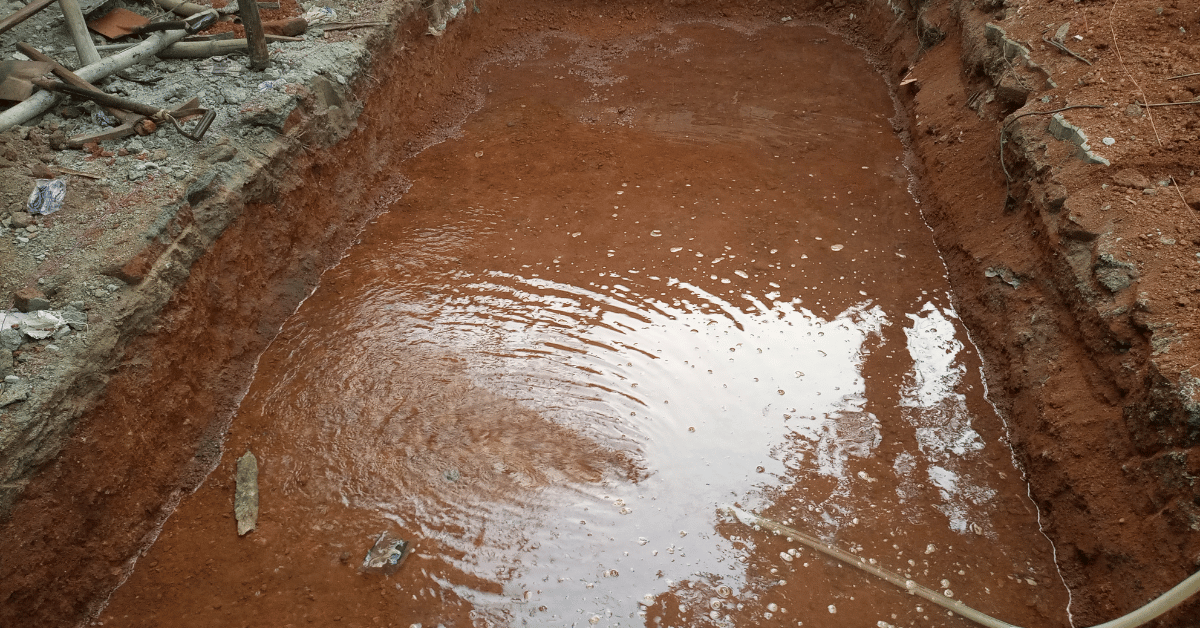
Excavation may be the right choice when the drain has collapsed, moved badly, lost shape or cannot support an internal liner. It may also be needed where old pipework has failed, where replacement is more reliable than repair, or where access from inside the drain is not practical. In these situations, digging gives direct access to the damaged section so the failed pipe can be removed and replaced properly.
Choosing the right drain repair method
A useful repair recommendation should explain what was found, why lining or excavation is being suggested and what the customer can expect from the work. If lining is suitable, the benefit may be a strong internal repair with less disruption. If excavation is needed, the benefit is direct access to replace failed pipework. The aim is not just to avoid digging. The aim is to repair the drain properly using the most suitable method for the defect.
Results customers usually want
The result customers usually want is simple. They want the drain repaired properly, disruption kept under control and the same defect less likely to cause repeat problems. When drain lining is suitable, the outcome can be an internal repair without opening up the ground. When excavation is needed, the outcome can be a replaced section of failed pipework with reinstatement afterwards. The most important result is confidence. A customer should understand what was wrong, why the chosen method was suitable and what to expect after the repair.
Related services and next step
If you are comparing drain lining vs excavation, the first step is to confirm which repair method is suitable for your drain. Drain lining can repair suitable pipework internally, while excavation may be needed for collapsed drains, failed sections or pipe replacement. Compare your repair options with drain lining and drain excavation and replacement.
Is drain lining better than excavation?
Drain lining can be better when the pipe is suitable because it may reduce digging and disruption. Excavation may be better when the pipe has collapsed, lost shape or needs replacement.
When is drain lining suitable?
Drain lining may be suitable for cracks, open joints, root entry points and localised defects where the pipe still has enough structure to accept a liner.
Excavation may be needed when the drain has collapsed, moved badly, become badly deformed or needs a damaged section replaced.
Can a collapsed drain be lined?
A collapsed drain is often not suitable for lining because the pipe may no longer have the shape or structure needed to support an internal repair.
Does excavation mean the ground has to be reinstated?
Yes, excavation usually involves opening the ground to reach the drain, then reinstating the affected area once the pipe repair or replacement is complete.