Soakaway installation in Essex depends on the ground conditions, surface water problem, available space, access and whether the system is being installed new or replacing a failed soakaway.
If your garden, driveway or outside area is holding rainwater, you may be considering a soakaway to help manage surface water. The honest answer is that a soakaway needs proper planning before installation. The ground needs to be suitable, the system needs to be sized correctly, and the work may involve excavation, drainage stone, soakaway crates and connection into the wider surface water drainage layout.
What to Know Before Installing a Soakaway
- A soakaway is designed to help manage rainwater by allowing surface water to drain into suitable ground.
- A new soakaway may be needed where gardens, driveways or surface areas are struggling with standing water.
- Ground conditions matter because not every site is suitable for soakaway installation.
- A percolation test for soakaways can help check whether the ground can absorb water properly.
- Drain installation and excavation support may be needed where pipework, groundwork or replacement drainage is involved.
The best next step is to plan your new soakaway system before installation work starts.
Why a customer may need a new soakaway
Most customers look into soakaway installation because surface water is not draining away properly. The problem may show as standing water in the garden, rainwater collecting near a driveway, or a failed soakaway that no longer manages water as it should. The customer is not usually just asking what a soakaway is. They want to know whether it will solve the problem, what work is involved, and whether the ground conditions are suitable. Common reasons people ask about soakaway installation include poor rainwater drainage for gardens, surface water drainage for driveways, replacing a failed soakaway and planning drainage for a new or changed outside area.
What we usually need to find first
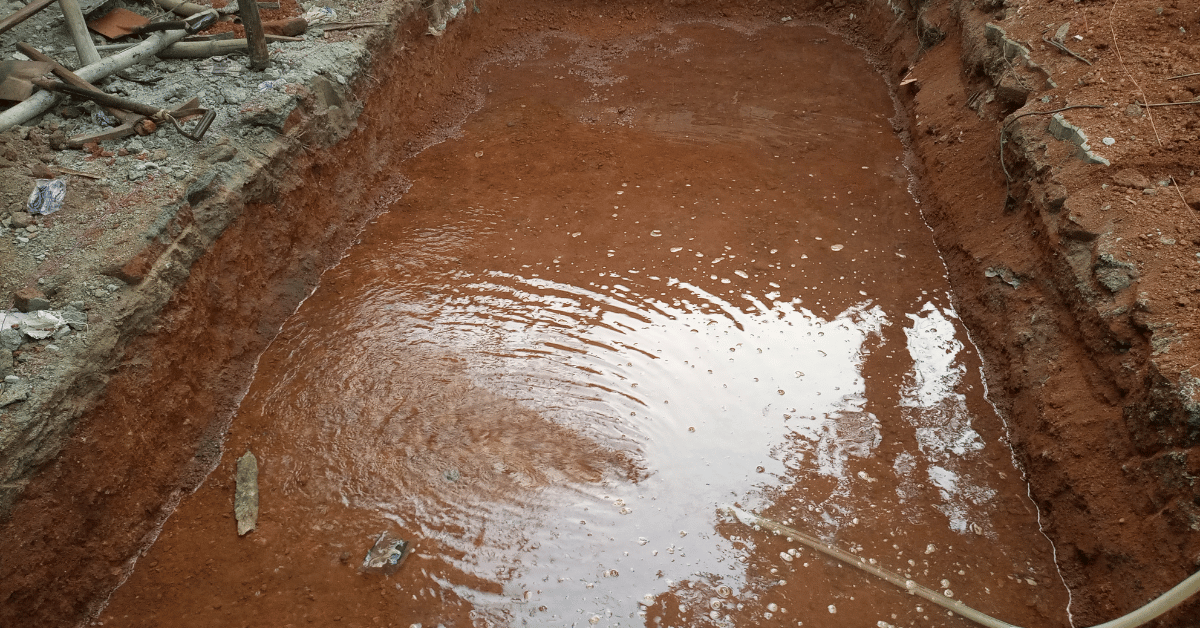
Before a soakaway can be planned, the site and drainage need to be assessed. This is because soakaway installation depends on where the water is coming from, where it needs to go and whether the ground can accept it. A percolation test for soakaways may be needed to check how well the ground drains. The available space, access, pipe route and existing drainage layout also need to be considered. If the existing drainage has failed, excavation or replacement work may be needed before the new system can be installed.
What affects soakaway installation cost
Soakaway installation cost can vary because each site has different ground conditions, access and drainage requirements. The main factors include the size of the soakaway, whether soakaway crates are used, the amount of drainage stone needed, excavation depth, pipework requirements, access to the work area and whether an old or failed soakaway needs replacing. In simple terms, a small installation in accessible ground will usually be different from replacing a failed soakaway or installing a system where more groundwork is needed.
What service is usually completed
Where the site is suitable, the service may involve installing new drainage pipework, excavating the soakaway area, fitting soakaway crates or drainage stone, and connecting the system so rainwater can be managed properly. Soakaway installation is part of wider drainage installation work. It may support surface water drainage for gardens, driveways and outside areas where water needs a controlled route into suitable ground. GOV.UK guidance covers Building Regulations guidance for foul water drainage, rainwater drainage and drainage waste disposal in England. For customers, the key benefit of a drain installation service is having the system planned around the site rather than guessing what will work.
Issues that may need to be overcome
A soakaway should not be installed without checking whether the site is suitable. Poor ground conditions, limited space, difficult access, existing failed drainage or unsuitable pipe routes can all affect the job. Common issues include compacted ground, slow water absorption, poor access for excavation, unclear pipework, surface water collecting in the wrong place and older drainage that may need replacing. This is where planning matters. A soakaway needs to be matched to the property, ground conditions and drainage requirement.
How does a soakaway work
A soakaway works by collecting rainwater and allowing it to pass into suitable ground rather than sitting on the surface. The system may use soakaway crates, drainage stone or a designed void area underground, depending on the installation. Water is directed into the soakaway and then gradually disperses into the surrounding soil. Susdrain explains soakaways as sustainable drainage components that store stormwater and support infiltration where conditions are suitable.
When a new soakaway is needed
A new soakaway may be needed when surface water has no suitable place to drain, when rainwater is collecting in gardens or driveways, or when an existing soakaway has failed. It may also be considered where drainage is being upgraded as part of wider installation work. The important point is suitability. A soakaway can only work properly where the ground conditions and drainage layout allow it.
Percolation test for soakaways
A percolation test helps check how quickly water drains into the ground. This matters because a soakaway needs ground that can absorb water at a suitable rate. If the ground drains too slowly, the soakaway may not perform properly. If the site is unsuitable, another drainage solution may be needed. Testing before installation can help avoid installing a system that does not deal with the surface water problem.
Soakaway crates and drainage stone
Soakaway crates and drainage stone are common parts of soakaway installation. Their purpose is to create space underground where water can collect before dispersing into the ground. The exact setup depends on the size of the area, the amount of water being managed, the ground conditions and the installation design. The system should be planned around the site rather than copied from another property.
Replacing a failed soakaway
A failed soakaway may show through standing water, poor drainage, wet ground or surface water returning after rain. Replacing a failed soakaway may involve excavation, removing or bypassing the old system, installing new drainage components and checking the route for rainwater drainage. Where more extensive groundwork is needed, drain excavation and replacement support may be part of the work.
Results customers usually want
The result customers usually want is simple. They want rainwater to drain away properly, outside areas to be more usable and the surface water problem dealt with in a practical way. When a soakaway is suitable, the outcome can include improved rainwater drainage for gardens, better surface water handling for driveways and a system planned around the property. The most important result is confidence. A customer should understand why a soakaway is suitable, what is being installed and what the system is expected to do.
Related services and next step
If you are planning soakaway installation in Essex, the first step is to check whether the site is suitable and what drainage work is needed. A drain installation service can help plan new pipework, surface water drainage and soakaway installation.
Plan your new soakaway system with drain installation support. If replacing failed drainage or carrying out groundwork, excavation support may also be needed.
Who is responsible for broken drains?
Responsibility depends on where the broken drain is, whether it serves one property or more than one property, and whether it is part of the public sewer network.
When is the homeowner responsible for drain repairs?
The homeowner is usually responsible for private drains that serve only their property and sit within the property boundary.
When is the water company responsible?
The water company may be responsible for public sewers, shared drains or lateral drains connected to the wider sewer network.
What should I do if a shared drain is blocked?
Check whether the problem affects more than one property and contact the water company if the shared pipework may fall under their responsibility.
Can a CCTV survey help with drain responsibility?
Yes, a CCTV survey can help show where the damaged pipe is, what type of defect is present and whether the issue may be private, shared or part of the wider network.