The drain excavation process depends on the pipe damage, access, depth, ground conditions and whether the failed section needs repair or full replacement.
If you have been told your drain has collapsed, old clay pipework has failed or internal repair is not suitable, excavation may be the next step. The work can feel disruptive, so it helps to understand what usually happens, from diagnosis and safe digging to pipe replacement, testing and reinstatement.
Guide to Drain Excavation and Pipe Replacement
- Drain excavation may be needed when a damaged pipe cannot be repaired internally.
- A CCTV drain inspection can help confirm the defect before major excavation is agreed.
- Excavation may involve digging up a collapsed drain, replacing old clay drain pipes or carrying out pipe replacement.
- Safe digging around underground services and protecting the trench are important parts of the work.
- Reinstatement may be needed for a driveway, garden or other affected surface after the drain is replaced.
The best next step is to arrange a drain excavation and replacement assessment before major work starts.
Why a customer may need drain excavation
Most customers need drain excavation because the damage is too severe for a simple clearance, local repair or internal lining. The problem may have started with repeat blockages, water backing up, bad smells or a CCTV survey showing a collapsed drain. The customer is not usually looking for excavation as a first choice. They want the drain repaired properly, but they also want to know how much disruption to expect and whether the affected ground will be reinstated afterwards. Common reasons people ask about the drain excavation process include collapsed drains, old clay pipe failure, deep drain damage, pipe replacement and concerns about digging up a driveway or garden.
What we usually need to find first
Before drain excavation is agreed, the damaged section should be located and understood. This is because excavation needs to target the right part of the drain.
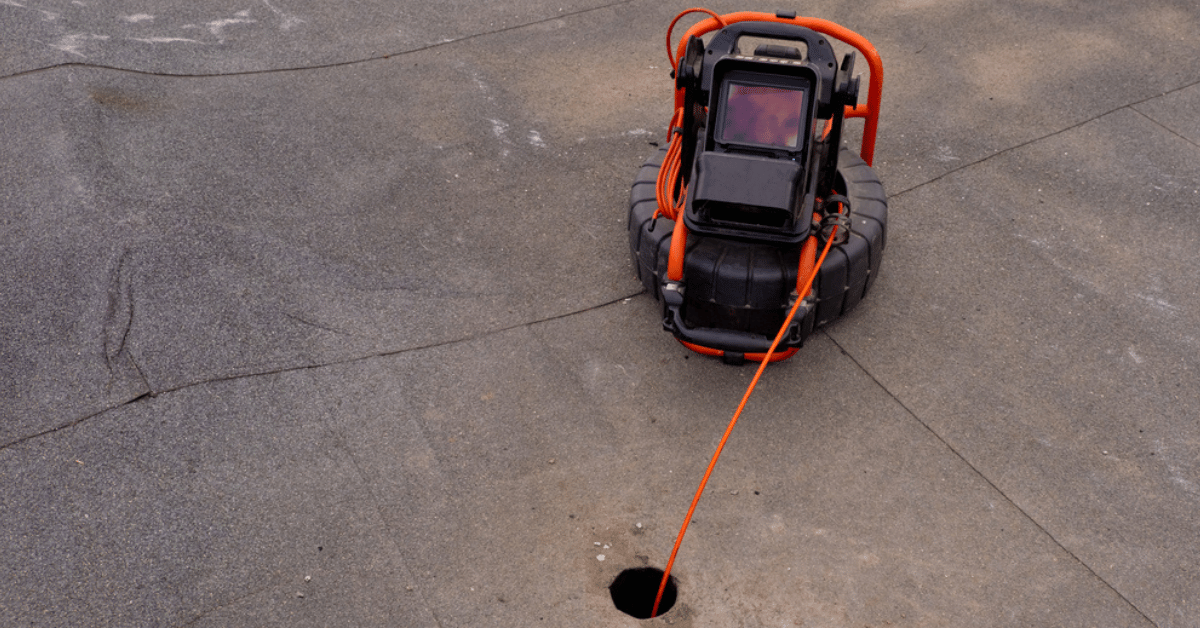
A CCTV drain inspection can help confirm where the defect is, what type of damage is present and whether excavation is actually needed. It can also help show whether the pipe has collapsed, moved badly or failed in a way that cannot be repaired internally.
What affects the drain excavation process
The excavation process can vary because each job depends on the site, the pipe and the damage. The main factors include pipe depth, access, ground type, surface type, the length of pipe being replaced, whether the drain has collapsed, whether old clay pipes need replacing and how much reinstatement is needed after the repair.
In simple terms, digging up a shallow section in an open garden is different from excavating a deep drain under a hard surface or restricted area.
What service is usually completed
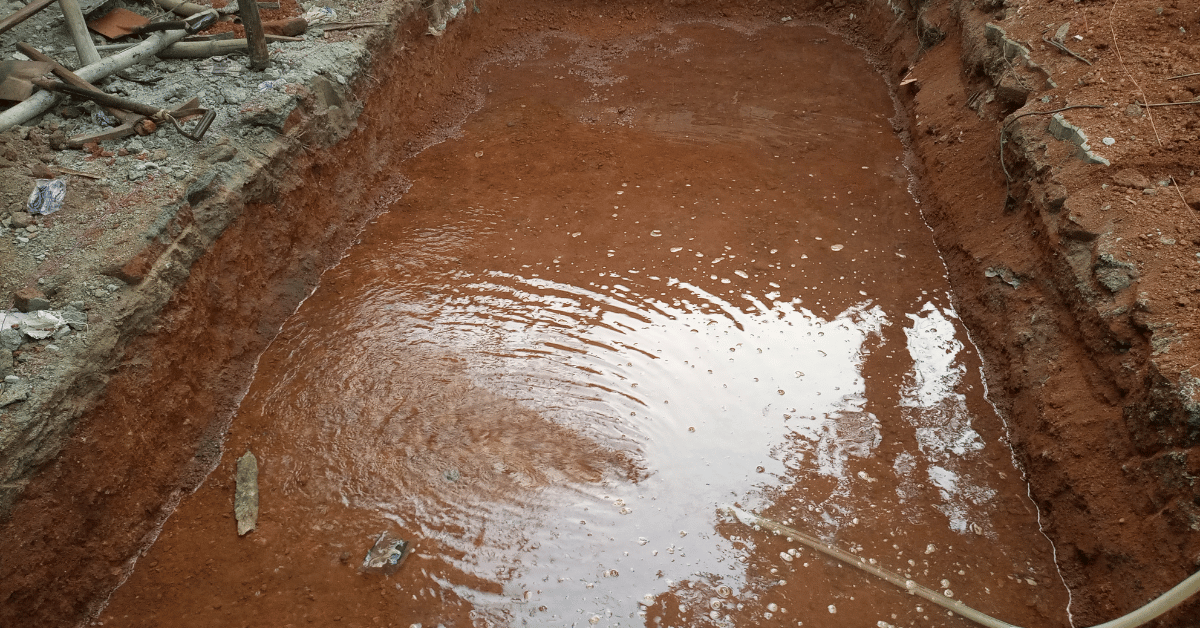
Where excavation is needed, the service may involve locating the damaged section, excavating down to the pipe, protecting the working area, removing failed pipework, installing replacement pipe and testing the repair before reinstatement. This can apply to collapsed drain replacement, old clay pipe replacement, pipe replacement and excavation drain repair where the pipe cannot be restored internally. HSE excavation safety guidance explains safety topics including collapse prevention, safe access, inspection and risks from underground services. For customers, the key benefit of drain excavation and replacement is that badly failed pipework can be accessed and replaced properly.
Issues that may need to be overcome
Drain excavation is not just digging a hole above the pipe. The work needs planning because buried drains may sit near other services, hard surfaces, deep ground or restricted access areas. Common issues include poor access, deep pipework, collapsed sections, unstable ground, old clay pipes, nearby underground services and surfaces that need reinstating after the repair. This is where diagnosis and planning matter. Excavation should follow a proper understanding of the defect, not guesswork.
When drain excavation is needed
Drain excavation may be needed when the pipe has collapsed, badly deformed, moved significantly or failed beyond internal repair. It may also be needed when old clay drain pipes have broken down, when pipe replacement is more reliable than repair, or when the damaged section cannot be reached or restored from inside the drain. The aim is to expose the failed section so it can be repaired or replaced properly.
Digging up a collapsed drain
A collapsed drain often needs excavation because the pipe may no longer have the shape or structure needed for internal repair. The excavation allows the damaged section to be exposed, removed and replaced. Once the new pipework is installed, the system can be checked before the ground is reinstated. This route can be more disruptive than no dig repair, but it may be the most reliable option when the drain has failed badly.
Replacing old clay drain pipes
Old clay drain pipes can crack, shift, break or collapse over time. Where the damage is serious, replacement may be more suitable than trying to patch a failing section. Replacing old clay pipework can involve excavation, removing the damaged section and installing new pipework that suits the repair requirement. The correct approach depends on the condition of the existing drain, the access and how much pipework has failed.
Safe digging around underground services
Safe digging matters because drains may run near other buried services. Before excavation, the work area needs to be considered carefully so unnecessary risk is avoided. HSE guidance on avoiding danger from underground services covers planning, locating buried services and safe excavation.
This is why major excavation should be planned properly before the ground is opened.
Pipe replacement and testing
Once the damaged section has been exposed, the failed pipework can be removed and replacement pipework installed. Testing helps check that the replaced section is working as expected before the excavation is closed. This stage matters because it gives confidence that the repair has dealt with the failed section. The exact repair depends on the pipe condition, the length of damage and the drainage layout.
Reinstating the driveway or garden
After pipe replacement, the affected area usually needs reinstatement. This may involve making the excavated area usable again after the drainage work is complete. The level of reinstatement depends on where the drain was located, the surface above it and how much excavation was needed.
For customers, this is often one of the biggest concerns. They want the drain repaired, but they also want to understand what happens to the driveway, garden or surface afterwards.
Aftercare after drain replacement
After drain replacement, the main aim is to make sure the system is flowing properly and the repaired section is no longer causing the same problem. Customers should understand what was replaced, why excavation was needed and whether any further drainage checks or maintenance are recommended.
Good aftercare is about confidence. The customer should know what work was completed and what to expect after the repair.
Related services and next step
If you are dealing with a collapsed drain, failed pipework or old clay drain damage, the first step is to confirm whether excavation is needed. A CCTV drain inspection can help identify the defect, while drain excavation and replacement support can deal with pipework that cannot be repaired internally. Arrange an excavation assessment with drain excavation and replacement support. If the damage has not been confirmed yet, a CCTV drain inspection may be needed first.
Drain excavation usually involves locating the damaged pipe, digging down to the failed section, removing or repairing the pipework, testing the repair and reinstating the affected ground.
Drain excavation may be needed when a drain has collapsed, badly deformed, moved significantly or failed in a way that cannot be repaired internally.
Sometimes. If the pipe is suitable for internal repair, no dig methods may be possible. If the pipe has collapsed or needs replacement, excavation may be required.
The time depends on access, pipe depth, ground conditions, damage type, pipe replacement needs and reinstatement work.
Where excavation affects a driveway, garden or surface area, reinstatement is usually part of completing the work after the pipe repair or replacement.