Who is responsible for broken drains depends on where the damaged pipe is, whether it serves one property, and whether it is part of shared pipework or the public sewer network.
If you have found a cracked drain, collapsed pipe, leaking section or recurring blockage, it is worth checking responsibility before arranging repair work. A drain within your property boundary may be your responsibility, while shared drains, lateral drains or public sewers may involve the water company.
Understanding Drain Ownership and Responsibility
- A private drain usually serves one property.
- Homeowners are often responsible for drains within their property boundary.
- Water companies may be responsible for public sewers, shared drains or lateral drains.
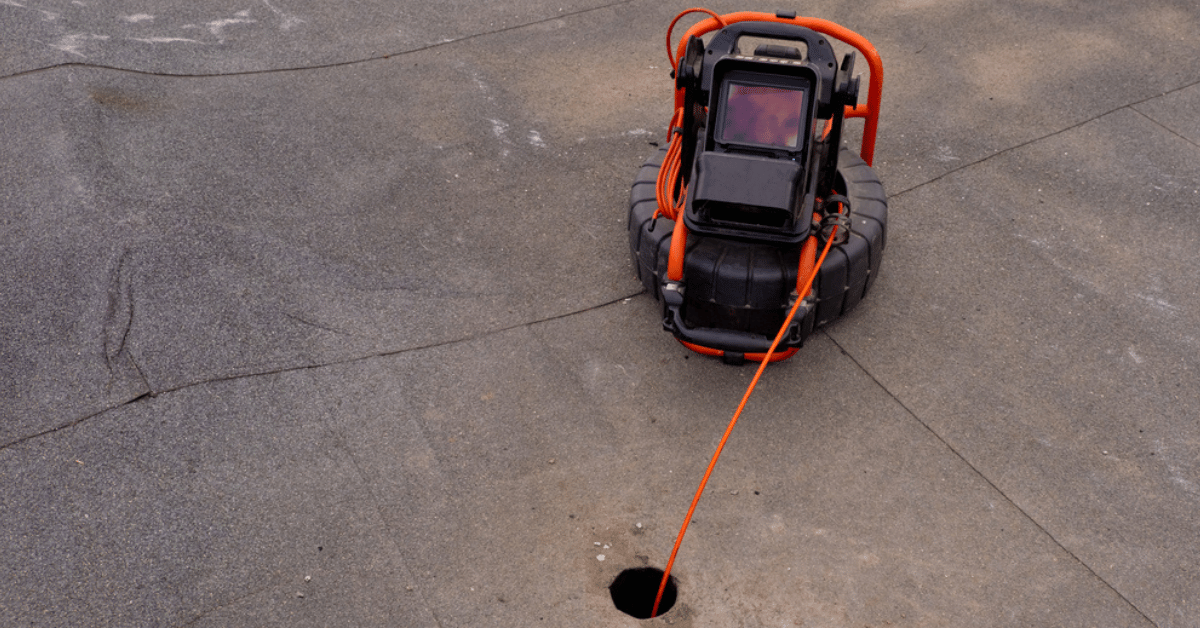
- A CCTV drain inspection can help identify where the damaged pipe is and what type of defect is present.
- Drain repair may be needed once responsibility and the damaged section are understood.
The best next step is to check who should fix the drain before arranging repair work.
Why a customer may ask who is responsible for broken drains
Most customers ask who is responsible for broken drains because they do not want to pay for work that should be handled by someone else. The problem may have started with repeat blockages, bad smells, wastewater backing up, a collapsed drain or a CCTV survey showing pipe damage.
The concern is not only who pays for drain repairs. Customers also want to know whether they should contact a drainage contractor, their water company, a landlord, a neighbour or another responsible party.
That is why the first step is usually understanding where the damaged pipe sits and whether it is private, shared or part of the public sewer network.
What we usually need to find first
Before responsibility can be understood, the location and condition of the damaged drain need to be checked. A broken drain beneath your own property may be treated differently from a shared drain between properties or a public sewer.
A CCTV drain inspection can help identify where the defect is, how serious the damage is and whether the pipe appears to be private, shared or connected into a wider sewer system.
What affects who pays for drain repairs
Responsibility can depend on whether the pipe serves one property or more than one property. It can also depend on whether the damaged section is within the property boundary or part of the wider sewer network.
Private drains, shared drains, public sewers and lateral drains can all affect who should deal with the repair. A pipe serving only one property is different from shared pipework used by more than one home.
GOV.UK guidance covers private sewer transfer regulations and lateral drains. The Consumer Council for Water explains homeowner responsibility for drains and when wastewater companies are responsible for shared pipework or main sewers.
What service is usually completed
Where the damaged section is the customer’s responsibility, the service may involve drain repair, pipe repair, lining or excavation depending on the defect.
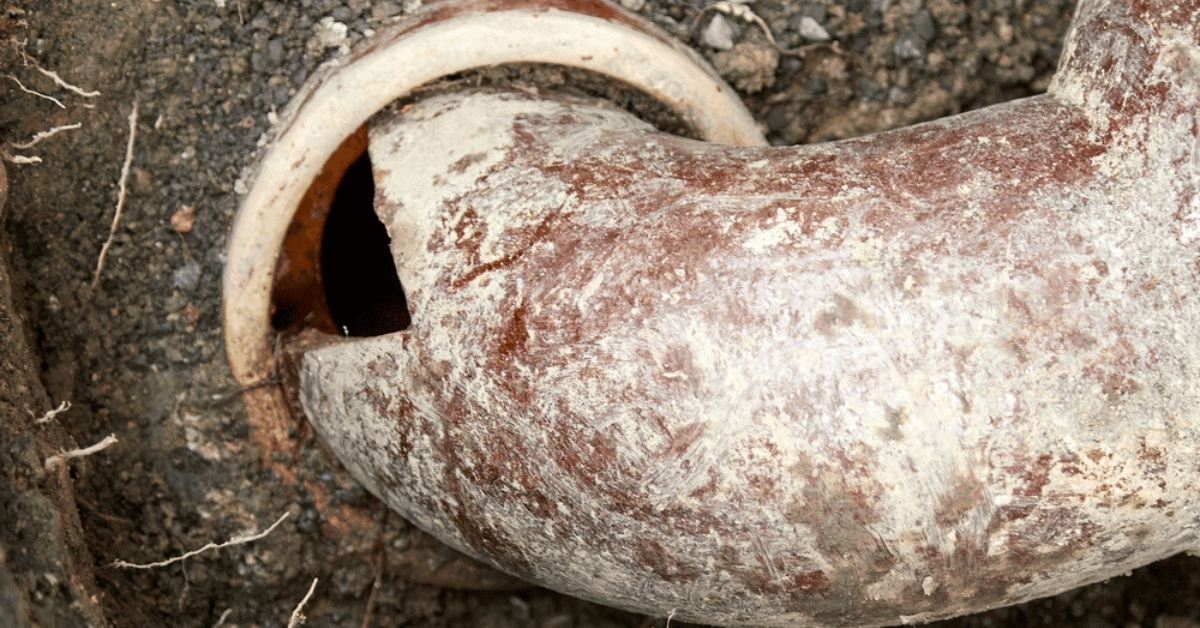
The first step is usually to confirm what has happened inside the pipe. A cracked pipe, broken section, root damaged joint or collapsed drain may all need different repair routes.
For customers, the key benefit of a drain repair service is getting the damaged section assessed properly before choosing the right repair method.
Issues that may need to be overcome
Broken drain responsibility is not always obvious from the surface. A blockage or leak may appear at one property, but the actual issue could be in shared pipework or further along the drainage system.
Common issues include unclear pipe routes, shared drains between properties, damage close to a boundary, collapsed sections, hidden defects, old pipework and uncertainty over whether the pipe is private or public.
This is where evidence matters. A survey can help reduce guesswork by showing the location and nature of the broken drain.
When the homeowner is responsible
The homeowner may be responsible when the broken drain serves only their property and sits within the property boundary.
This can include drains beneath the house, garden or driveway before the pipe connects into shared pipework or the public sewer network.
If the broken section is private, the homeowner may need to arrange the inspection, repair and any follow up work.
When the water company is responsible
The water company may be responsible when the issue is in a public sewer, shared pipework or a lateral drain that falls under the sewerage company’s responsibility.
This is why it is important to check whether the damaged pipe serves only one property or whether it is part of a wider shared drainage system.
If responsibility is unclear, the water company may need to be contacted before private repair work is arranged.
What to do if a shared drain is blocked
A shared drain can involve more than one property, so it should not always be treated as a private blockage.
If the issue affects neighbours, shared pipework or a drain outside your boundary, responsibility may need to be checked before arranging repair work.
A CCTV drain inspection can help show where the blockage or damage sits, especially where the pipe route is unclear.
Lateral drains explained
A lateral drain is pipework that carries wastewater away from a property but sits outside the property boundary before it reaches the public sewer.
This matters because lateral drains may not always be the homeowner’s responsibility. In some cases, they may fall under the wastewater company.
If the damaged section appears to sit beyond your property boundary, responsibility should be checked before repair work is agreed.
Collapsed drain responsibility
Collapsed drain responsibility depends on where the collapsed section is and who is responsible for that part of the drainage system.
If the collapsed drain serves only your property and sits within your boundary, it may be the homeowner’s responsibility. If it is part of shared pipework or the public sewer network, responsibility may sit elsewhere.
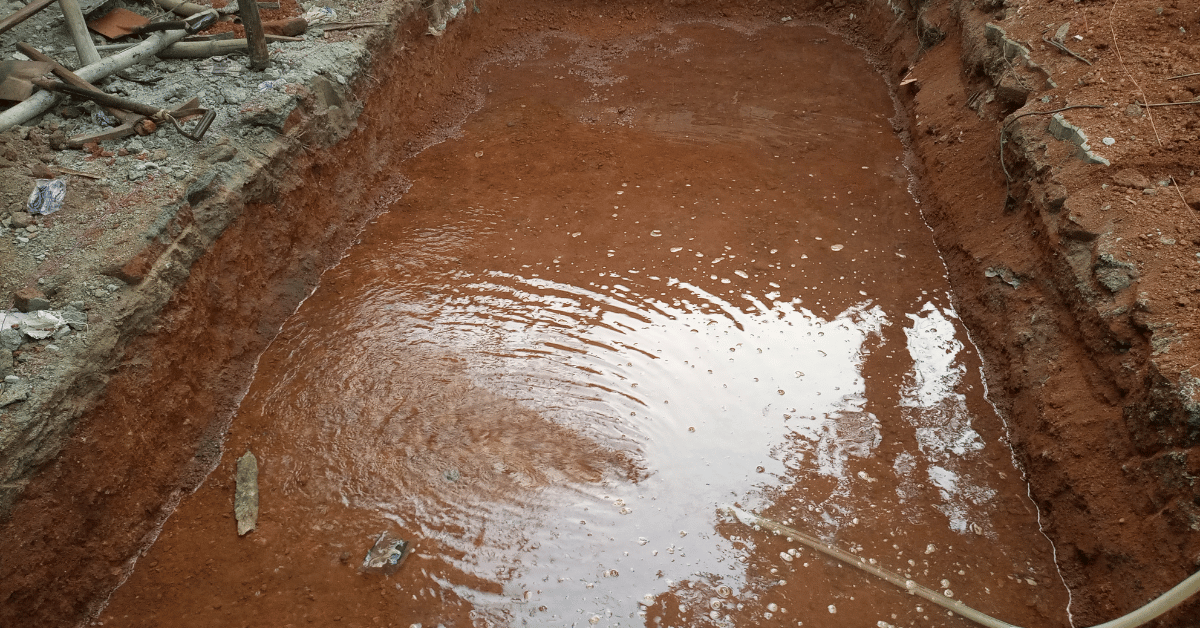
The repair route also depends on the damage. A collapsed drain may need drain repair, lining or excavation depending on the pipe condition.
Related services and next step
If you are trying to work out who is responsible for broken drains, the first step is to confirm the location and condition of the damaged pipe. A CCTV inspection can help identify the defect, while drain repair support can help if the broken section is your responsibility.
Check who should fix your drain with a CCTV drain inspection or drain repair advice.
Responsibility depends on where the broken drain is, whether it serves one property or more than one property, and whether it is part of the public sewer network.
The homeowner is usually responsible for private drains that serve only their property and sit within the property boundary.
The water company may be responsible for public sewers, shared drains or lateral drains connected to the wider sewer network.
Check whether the problem affects more than one property and contact the water company if the shared pipework may fall under their responsibility.
Yes, a CCTV survey can help show where the damaged pipe is, what type of defect is present and whether the issue may be private, shared or part of the wider network.